 Skip to content


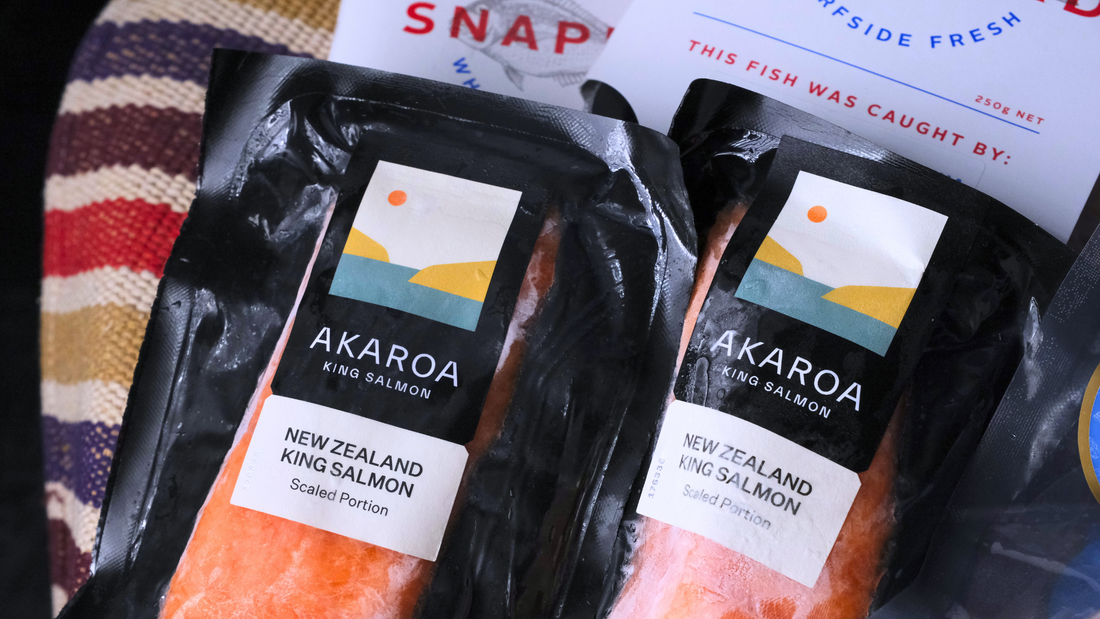
At The Meat Club, all our fish arrives blast-frozen: not chilled on ice. That's intentional. Fish frozen within hours of landing at the wharf holds its quality better than fish that's spent days in transit at 0°C. But getting the best from it means knowing what to do on your end. Here are seven things every TMC customer should know about their frozen fish.
1. Blast-Frozen Is Not a Compromise: It's the Opposite
Fresh fish at a wet market or supermarket chilled section has typically been out of the water for two to seven days before it reaches you. Our fish is filleted, packed, and blast-frozen at the wharf immediately after landing: locking in quality at peak. If you've been avoiding frozen fish under the assumption that fresh is always better, it's worth reconsidering. The cold chain, done right, beats a long fresh journey every time.
2. Check the Packaging When It Arrives
Before putting anything in the freezer, give the pack a quick look. The vacuum seal should be intact and tight against the fish. Watch for:
- Broken or loose seals: air gets in and accelerates freezer burn
- Frost burn: grey or white dry patches on the fish surface, usually from a compromised seal or temperature fluctuation in transit
- Excess ice crystals inside the pack: can indicate the fish thawed and refroze somewhere in the supply chain
If any of these are present, contact us before cooking. We'll sort it.
3. Thaw in the Fridge: Not on the Bench
The single most important thing you can do is thaw slowly in the refrigerator overnight. Rapid thawing at room temperature causes the outer layer to warm up while the centre is still frozen, which promotes bacterial growth and softens the texture significantly. For smaller fillets (150 to 250g), four to six hours in the fridge is usually enough. Larger cuts like a whole salmon side need overnight.
In a hurry, you can place the sealed pack in cold water and change the water every 30 minutes: but never warm water, and never unwrapped.
4. After Thawing: What Good Fish Looks Like
Once thawed, your fish should look close to what you'd expect from a fish counter at a quality fishmonger:
- White fish (snapper, gurnard, tarakihi, barramundi, red cod, monkfish): pearly, translucent to off-white, with a clean surface. No yellowing or browning at the edges.
- Salmon: vibrant pink-orange, with visible white fat lines. Dull or grey colouration suggests age or damage.
- Texture: firm and springy, not mushy or falling apart. Some moisture is normal; a pool of liquid suggests it thawed and refroze at some point.
5. After Thawing: What Good Fish Smells Like
Fresh-thawed fish should smell clean, mild, and ocean-like: the way the air smells near the sea. A sharp, sour, or ammonia smell is a sign something went wrong. A mild briny or slightly seaweedy note is completely normal and not a concern.
If in doubt after thawing, trust your nose over the date on the pack.
6. Don't Refreeze After Thawing
Once your fish has thawed, cook it within the timeframe on the pack (generally two to three days in the fridge). Refreezing thawed fish damages the cell structure, leading to mushy texture when cooked, and introduces food safety risk. If you've thawed more than you need, cook it all: cold cooked fish works well in salads, rice bowls, and fish cakes the next day.
7. If Something's Not Right, Tell Us
Our fish is quality-checked at source and handled under strict cold chain from New Zealand and Australia to your door. If something looks or smells wrong on arrival: before you cook it: contact us. We take cold chain integrity seriously and we'll make it right. We'd rather know than have you eat something you're not confident in.
Shop Our Wild-Caught and Sustainably Raised Fish
All TMC fish is packed at source, blast-frozen immediately after landing or harvest, and delivered to your door under cold chain. No wet market middlemen, no days on ice in transit.